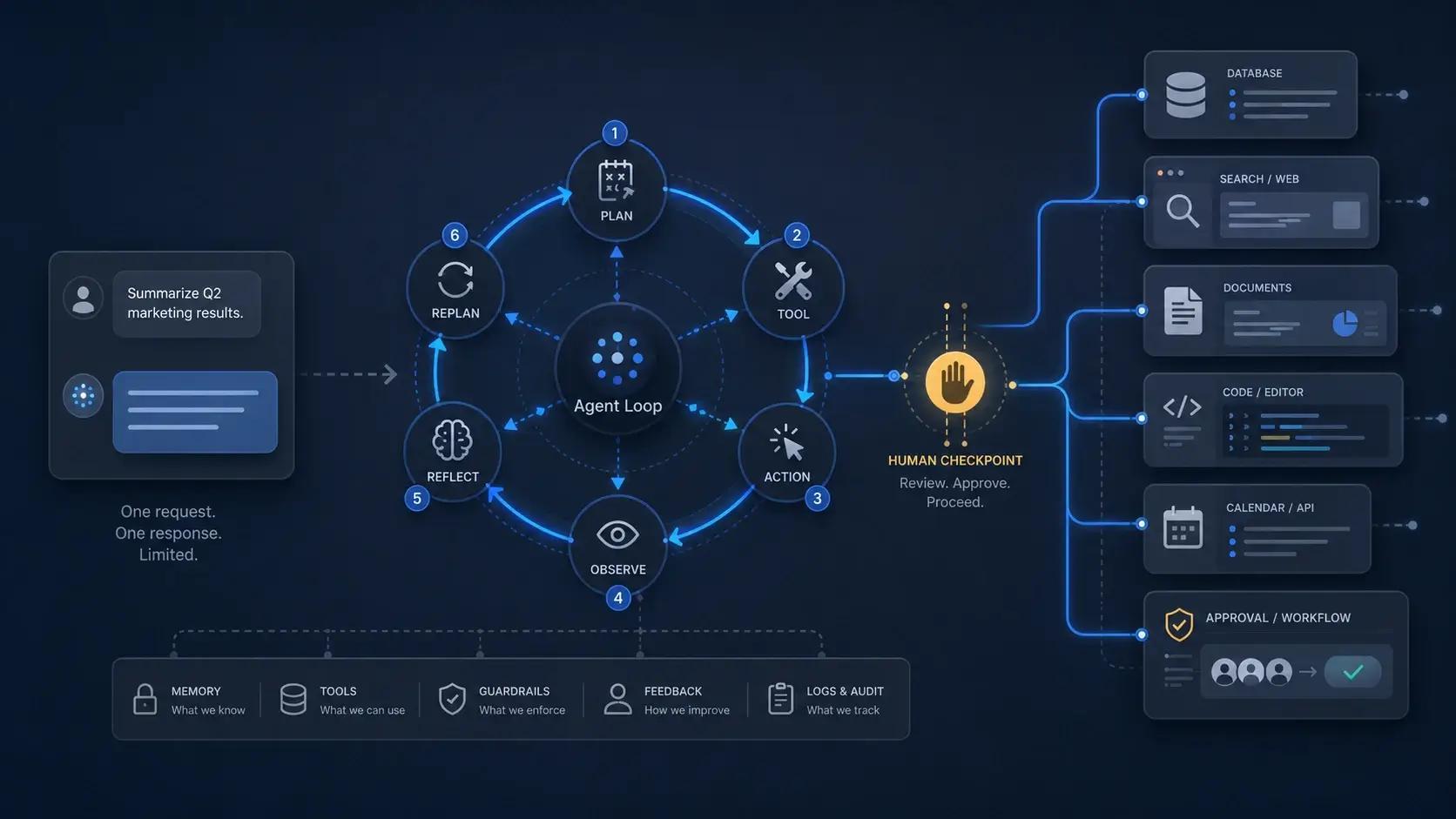


AI is not about replacing people. It is a practical tool that helps SMEs save time, reduce waste and make better decisions by automating repetitive tasks, spotting patterns in data and turning messy information into useful content. Start small by identifying weekly tasks that drain your time. Use AI to support existing workflows rather than reinventing your business.
How SMEs Can Actually Use AI Without Losing Their Minds
Overwhelmed, don't know where to start. That is what business owners keep saying about AI. And I get it. Truly. Every few years, something new comes along that promises to change everything. Remember the early days of social media? Half the experts said it would ruin attention spans. The other half promised growth like we had never seen. AI feels a bit like that right now.
Some say it will replace jobs. Others say it will create opportunities we have not even thought about yet. The truth probably sits somewhere in the middle. Yes, jobs are changing. The local recycling plant used to have people sorting rubbish by hand. Now an AI system scans and separates it more accurately. Same work. Different hands.
And at the same time, AI tools are helping teams move faster and make better decisions. It is already here. It is already working.
But here is the thing most business owners do not realise. You do not need a research lab or deep pockets to use it. You do not even need to understand how the technology works. You just need to remember one simple idea:
AI works best when it supports tasks you already do every day.
Not the dream projects. Not the five-year plan. The normal Tuesday morning stuff. The things you would happily delegate if you had someone reliable to hand it to.
The three types of work AI is ridiculously good at
1. Repetitive tasks
If you have ever copied and pasted the same wording into three different emails, you know the pain AI can remove.
Examples you can try:
- Drafting quotes or proposals from email enquiries
- Organising receipts into accounts
- Checking stock levels and updating spreadsheets
- Summarising long documents so you do not have to read every line
Think of AI like the reliable assistant you always meant to hire.
2. Pattern spotting
Humans are brilliant at instinct. AI is brilliant at never getting tired of data.
Useful places for this:
- Sales trends and seasonal demand planning
- Pricing adjustments based on market changes
- Understanding which marketing efforts actually bring in money
- Customer behaviour and churn risk
It is like having a manager that actually reads the reports.
3. Turning messy information into something useful
Most businesses are full of half-finished notes, random files, voice messages and emails that begin with “Sorry for the delay”.
AI can turn that into:
- Social media posts
- Product descriptions
- Job ads
- Staff training guides and checklists
If information is the ingredients, AI is surprisingly good at turning it into a meal.
A real example: you run a busy gastropub
Imagine you run a gastropub. You are juggling stock, staff rotas, weather changes, football fixtures, bank holiday weekends, tourists who appear out of nowhere… all of it. And every week you work out what kegs you need, what cuts of beef to order, how much fish to prep. Normally the chef handles a lot of this. They look at what sold, rely on instinct and remember that weird weekend when everyone suddenly wanted stout.
But here is the uncomfortable question: are you really recognising all the patterns, or are you just surviving them?
Because hidden in all those receipts, delivery dockets and till reports are patterns you would never spot on your own. Not because you are not clever. Just because no one has time to manually sort through that much data without slowly losing the will to live.
If you took your historic receipts and fed them into an AI processor, you could start seeing real consumption, real trends, in real time.
You might discover things like:
- People drink more stout when the temperature drops below 7°C.
- Your top-selling dish is not actually the one you promote.
- Fish pie sells out every Friday if it rains. Otherwise the steak sandwich wins.
- You lose money on a certain meat cut because portion sizes creep up on busy nights.
Small insights. Big impact.
AI could then generate:
- Automatic keg ordering recommendations
- Alerts when supplier prices shift
- Menu tweaks based on what actually sells
- Predictable staff scheduling
- A weekly one-page briefing you can skim with your morning coffee
It is like having a second brain that never forgets a lunch rush from three years ago.
And it does something else that matters more than numbers. It protects your team’s energy. It lets chefs focus on food. It lets managers focus on atmosphere and service instead of counting cases of tonic water again.
The goal is not to replace instinct. It is to give instinct better information.
How to find your first AI win
Grab a notebook, or the back of an invoice, and write down:
Tasks I do every week that annoy me or drain my time.
Examples to spark ideas:
- Chasing customers for missing details before you can send a quote
- Writing yet another “We received your message…” email
- Resizing photos for product listings
- Rewording content so it sounds more professional
You only need one task to start. Not a grand AI transformation. One small win that buys back time.
A gentle reminder before you go all-in
AI saves time. It improves communication. It cuts costs. But it does not replace care. The businesses that will win are not the ones who automate everything. They are the ones who use AI to create more space for what humans are still brilliant at:
- Trust
- Imagination
- Relationships
- Those messy conversations where real business is done
AI does not replace you. It gives you the hours back to be better at the parts only you can do.