
AI
7 posts
The Great GEO Grift: Why the 'AI Optimisation' Industry Has Causality Backwards
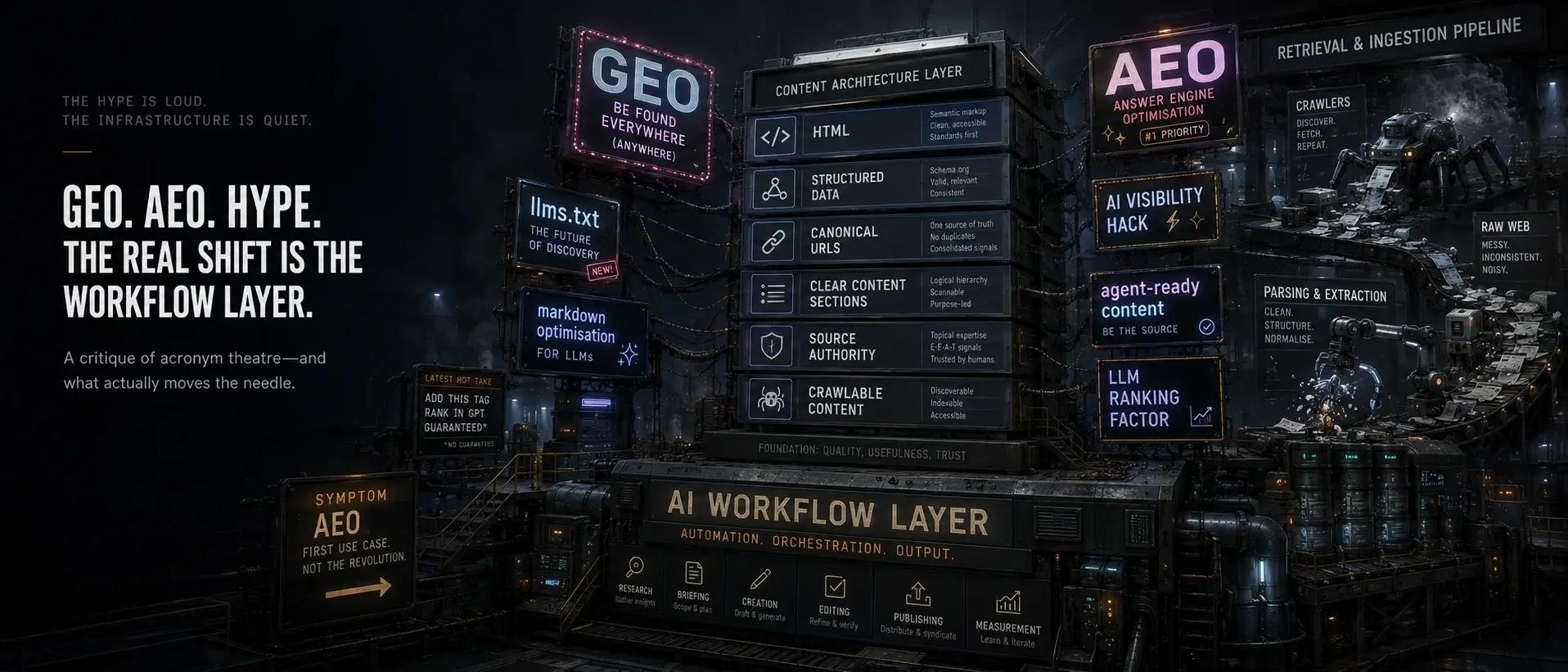
If you think Answer Engine Optimisation is causing the shift to AI and automation in marketing, you have causality backwards. AEO is not the driver, it's the symptom. Automation and AI workflows were coming regardless of whether AEO was a concept or not. The real story is not about optimising for the latest acronym. It is about understanding what is actually happening beneath the hype, and why GEO vendors are selling you solutions to problems that do not exist yet.
Why the Same Query Returns Different Answers: Randomness in AI Search
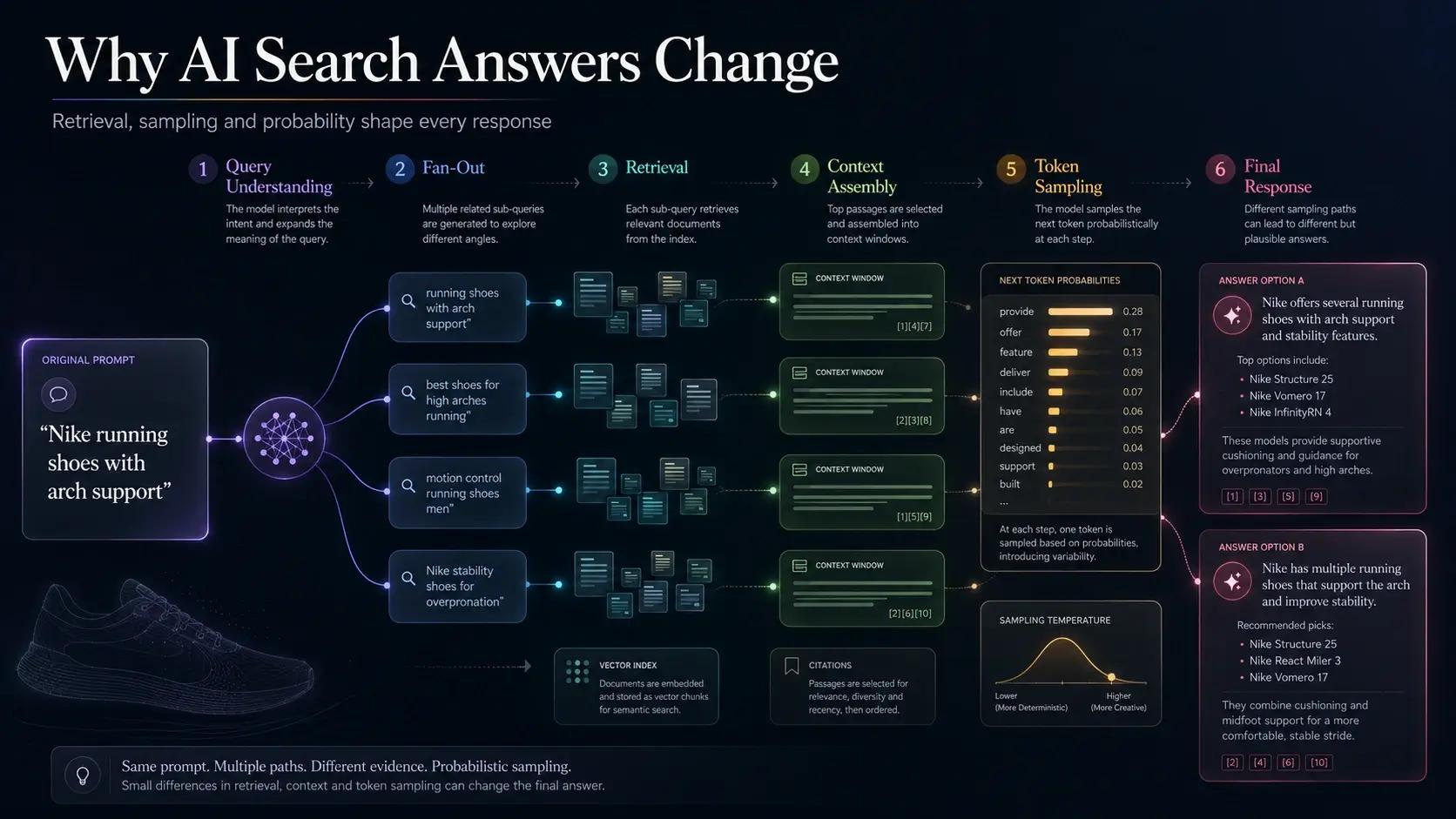
There is a comforting myth about AI search. It says that somewhere underneath it all sits a ranking, and if you play it right, you climb. There is no ranking. Between the question you ask and the answer you get sit six distinct stages: parsing, fan-out, retrieval, assembly, sampling, and citation. Each one introduces randomness on purpose, not by accident, and the variance compounds as it moves down the pipeline. This is a walk through all six, traced end to end through a single real query, so you can see exactly where the randomness enters, and why the whole idea of holding a fixed position falls apart.

The Same URL, Two Different Minds: Why Agentic SEO Leaves Chained Prompts Behind
Discover why agentic AI systems outperform chained prompts in SEO analysis. Learn when to use each approach, how they differ fundamentally, and why learning systems compound over time.
What is agentic AI, and why should anyone care?
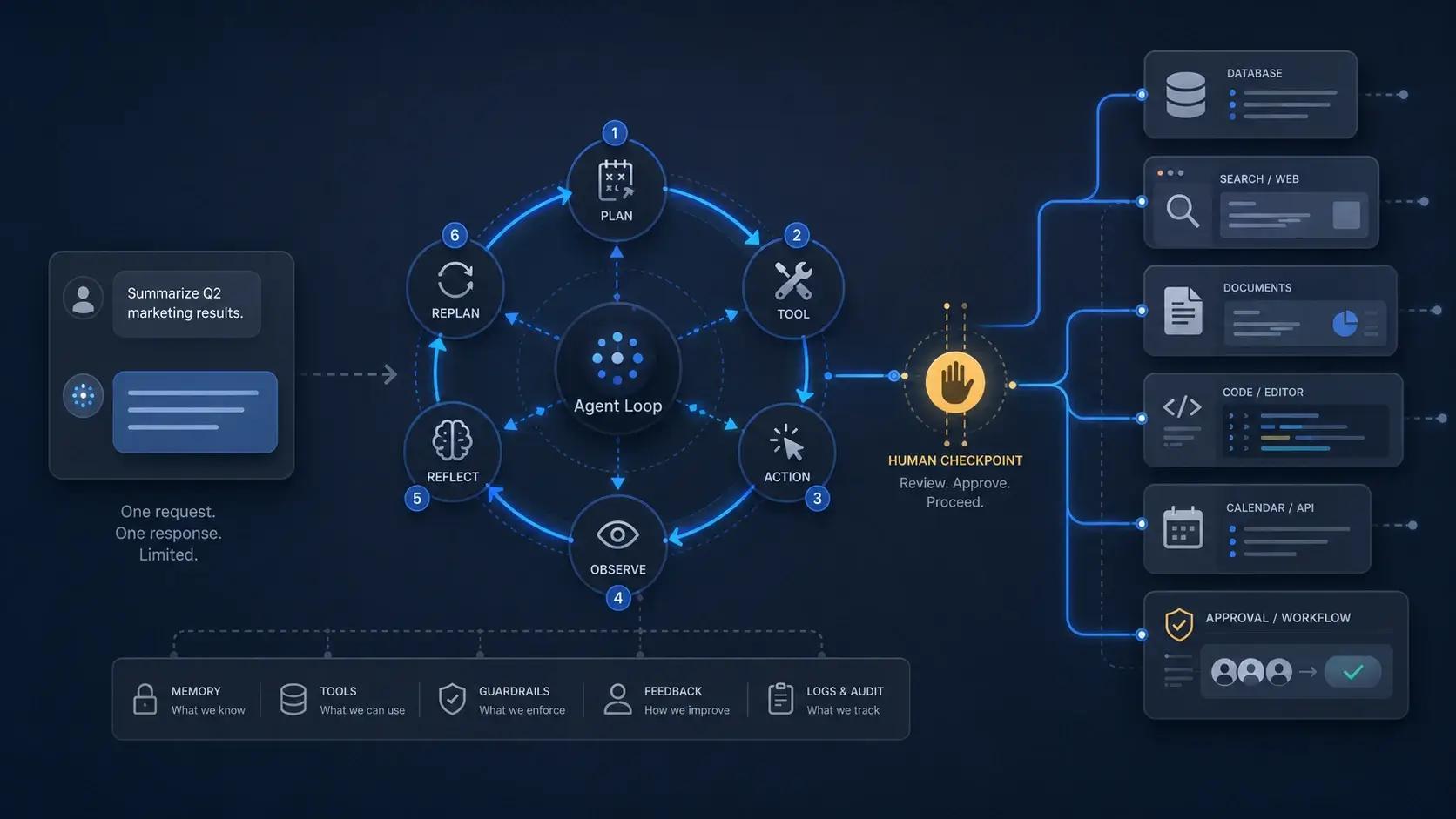
A grounded, sceptical explanation of agentic AI, how agents work, where the value sits, and where the hype starts taking the mickey.
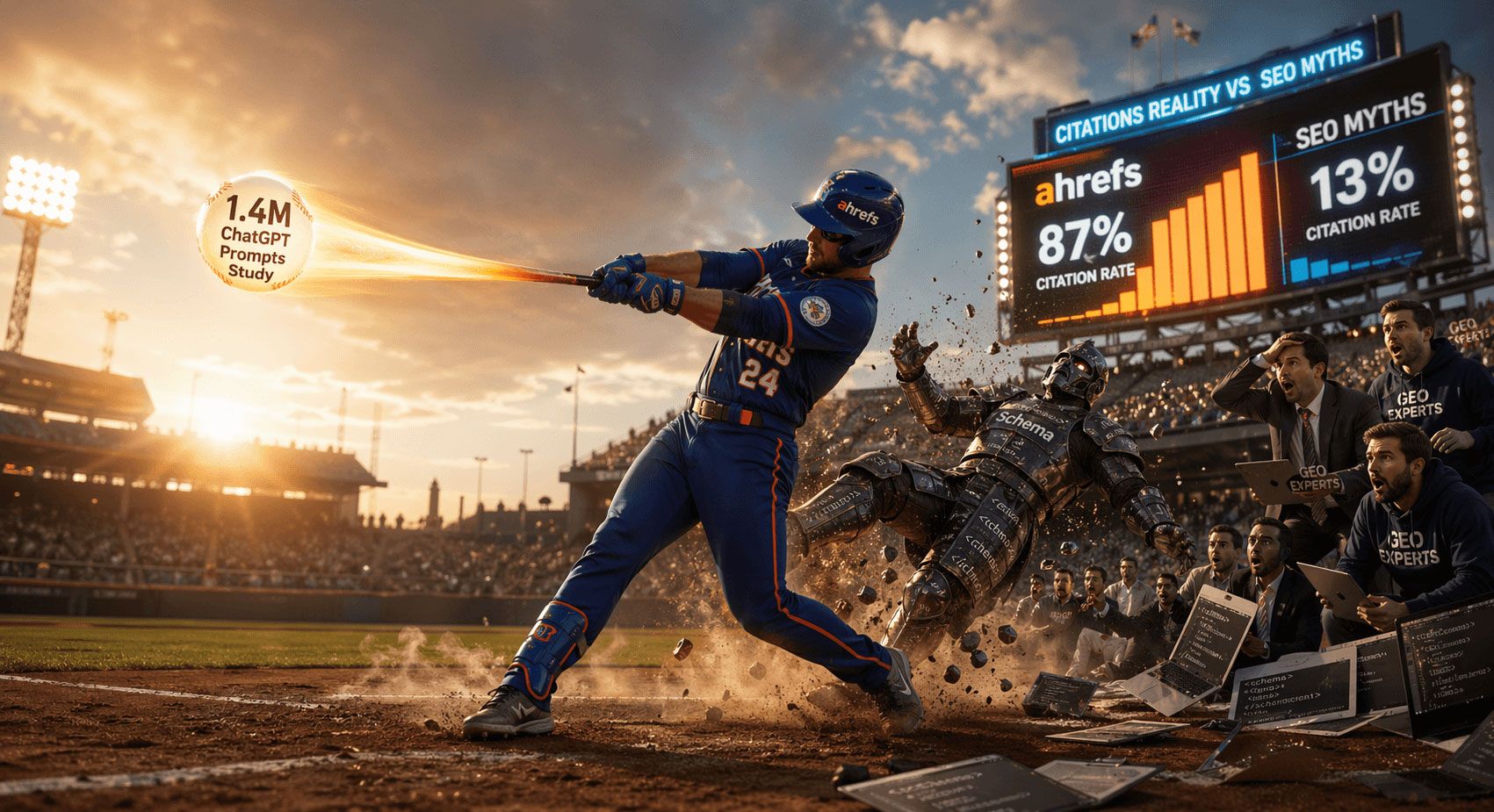
Why ChatGPT Cites Your Content (And Why Your Schema Doesn't Matter)
If there is ever a moment where the fog clears, where the broken programming of the SEO industry reveals itself for what it truly is, it is when you look at the data. Real data. Not the culture soup of marketing buzzwords, not the unenlightened 'GEO experts' claiming schema is the answer to everything, but actual evidence from 1.4 million ChatGPT prompts. Ahrefs released a study in April 2026 that should have sent shockwaves through the SEO community. Instead, most people missed it entirely. The study examined which pages ChatGPT actually cites, and the findings are damning for anyone who has been chasing the schema markup myth.

Structured Data & AI Crawlers in 2026: Why Most Schema Hype Is Misplaced
From hands-on experiments in late 2025 and early 2026, one pattern emerges clearly: most AI crawlers do not parse JSON-LD semantically. They tokenize the entire page as ordinary text. Search engines still use schema during indexing, but when their LLMs generate answers, they draw from algorithmic summaries and grounding snippets, not raw structured data feeds. The result? Visible, semantically clear HTML structure beats hidden schema for AI extraction in almost every case.

Lost in Semantics: EEAT and the Problem of Artificial Ignorance
EEAT was meant to fix quality in search, but in the age of AI Overviews it's falling short. From keyword stuffing to Artificial Ignorance, why the gaming never really ended.