


An automotive online store should do more than display products. It should help the right customer find the right product, understand why it is suitable, trust the business behind it and complete the purchase without unnecessary friction.
For automotive retailers, that means building an ecommerce website around the way people actually buy. Some customers arrive knowing the exact product they need. Others know their vehicle, the problem they are trying to solve or the type of upgrade they want, but need help choosing.
A revenue-focused automotive ecommerce website gives both groups a clear route to purchase. It can help an automotive business:
- Sell beyond its physical location
- Make a large or specialist catalogue easier to browse
- Increase average order value through related products and bundles
- Reduce uncertainty around compatibility, quality and delivery
- Capture demand from customers searching for a specific product or solution
- Create repeat sales instead of relying on one-off transactions
The result is not simply a better-looking website. It is a more useful sales channel for the business.
A specialist online store for automotive retail
Automotive ecommerce has its own complications. Product ranges can be wide, technical and difficult to organise. Customers may need to search by brand, vehicle, product type, specification or problem. A professional buyer may want to reorder quickly, while a consumer may need reassurance before spending money on a safety-critical or high-value product.
A generic online shop rarely handles all of that well. An automotive retail website should make the buying journey simpler by bringing together:
- Clear product categories and collections
- Search that understands product names, brands and useful terms
- Filters for vehicle, specification, size, price and compatibility where relevant
- Detailed product information, imagery and technical documents
- Stock status, delivery information and returns guidance
- Reviews and trust signals close to the buying decision
- Related products, accessories and upgrade paths
- A fast, mobile-friendly checkout
- Customer accounts and reorder journeys where they add value
Every improvement has a commercial purpose. Better product discovery can create more sales opportunities. Better information can reduce abandoned carts and avoidable enquiries. Better recommendations can increase the value of each order.
Increase revenue from the customers already finding you
Revenue growth is not only about sending more visitors to a website. It also comes from helping existing visitors buy with greater confidence and making it easier for existing customers to return.
A properly structured automotive ecommerce store can support revenue growth by improving several parts of the customer journey.
Help customers find the correct product
A customer who cannot find the right product will often leave, even when the product is available. Automotive stores need clear navigation, relevant search results and useful filters that reflect the language customers use.
For parts and technical products, compatibility information is particularly important. Year, make and model selection, product specifications, engine details, dimensions or part numbers can all help reduce uncertainty. When fitment data is accurate and easy to understand, customers have more confidence in the purchase and the business is less exposed to unnecessary returns.
Increase average order value
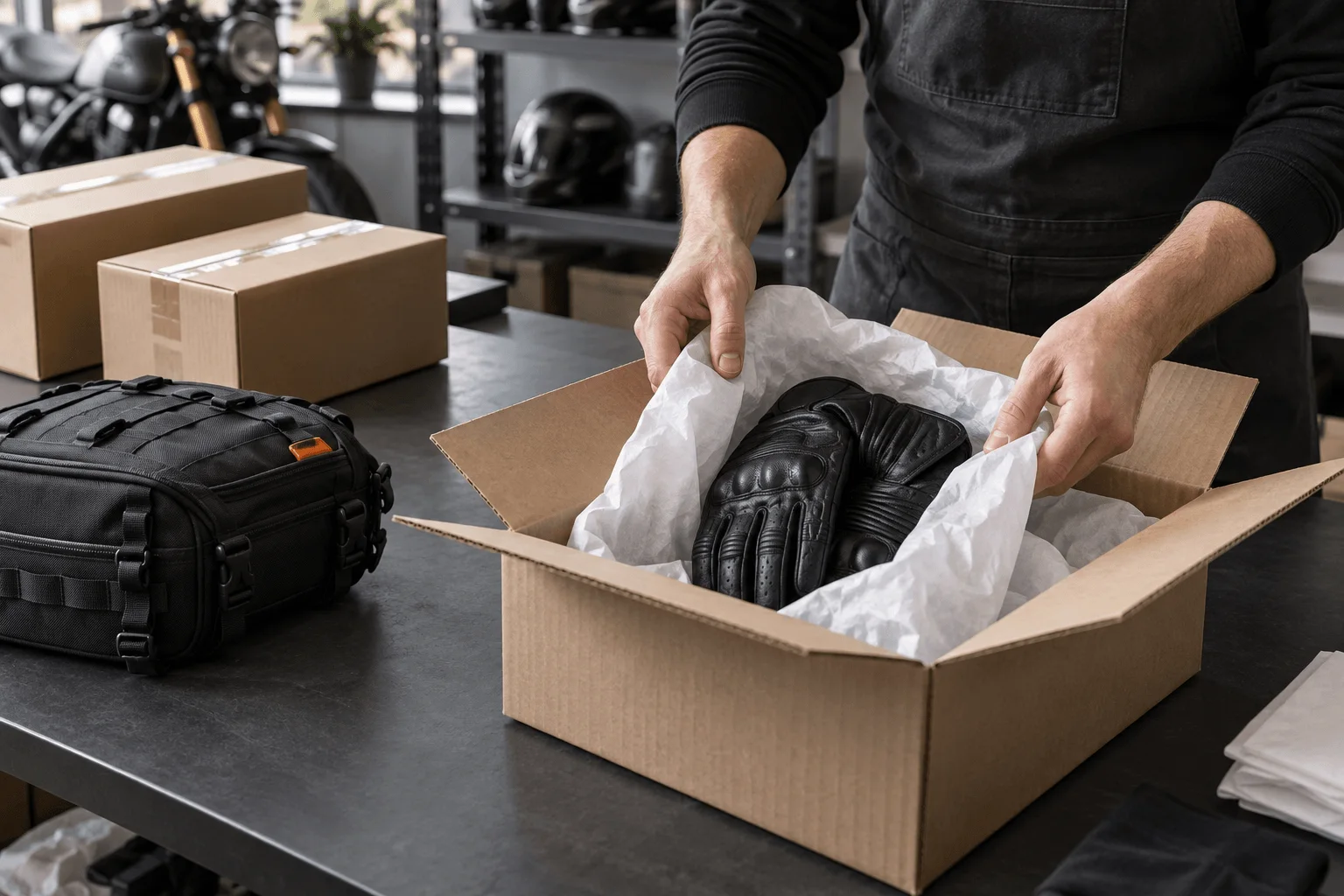
Many automotive purchases have natural add-ons. A rider buying luggage may also need mounting equipment. A customer buying a replacement component may need associated parts, tools or installation support. A workshop may need to order complementary products at the same time.
Related products, bundles and useful recommendations can turn an individual product sale into a more complete solution. This should be based on genuine relevance, not the usual online-store trick of presenting random items underneath a product page.
Make specialist knowledge part of the sales process
Technical expertise is valuable, but it should not be trapped inside a phone call or a staff member’s head. Product guidance, comparison information, installation notes, diagnostic content and clear answers to common questions can help customers make a decision before contacting the business.
This supports customers who want to buy immediately and gives the sales team better-informed enquiries when a conversation is needed.
Build repeat purchasing into the website
Some automotive businesses sell products that are bought once. Others have natural repeat demand from motorists, enthusiasts, trade customers, fleets and workshops.
Customer accounts, saved vehicles, reorder tools, trade pricing, stock alerts and helpful follow-up communications can make repeat purchasing easier. A customer should not have to start the same search from the beginning every time they need a familiar product.
Automotive ecommerce examples
Different automotive businesses need different ecommerce journeys. A motorcycle clothing and accessories retailer will not sell in exactly the same way as a diesel injector specialist, even though both may use Shopify.
Franklin Motors
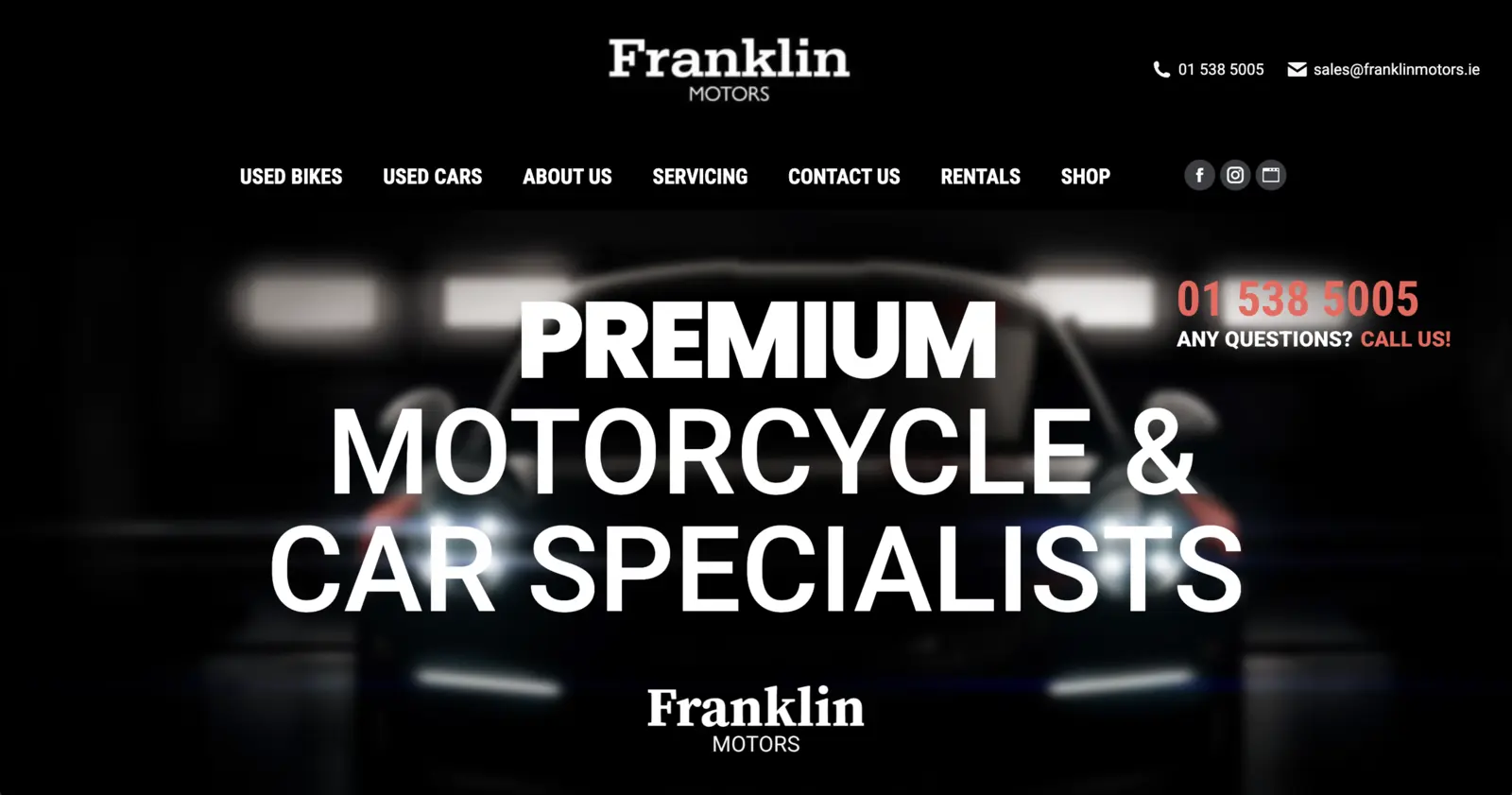

A broad automotive retail store where product discovery and merchandising are central to the experience.
Customers browse clothing, luggage, gloves and other motorcycle products across established brands and price points. Popular products, seasonal collections, brand-led shopping and related products make a large range feel manageable, and move customers from browsing to buying.
View the projectDiesel Injectors
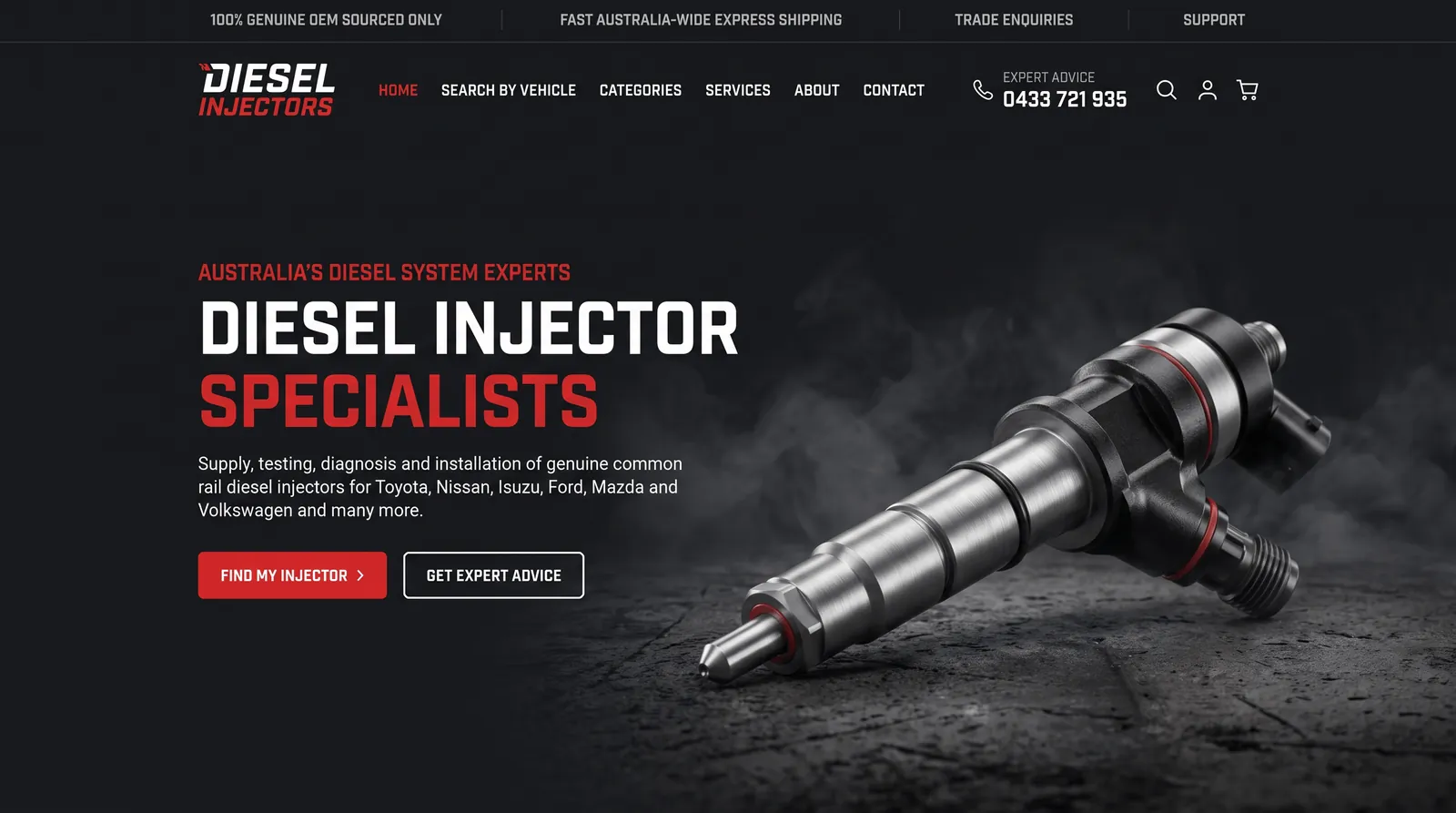
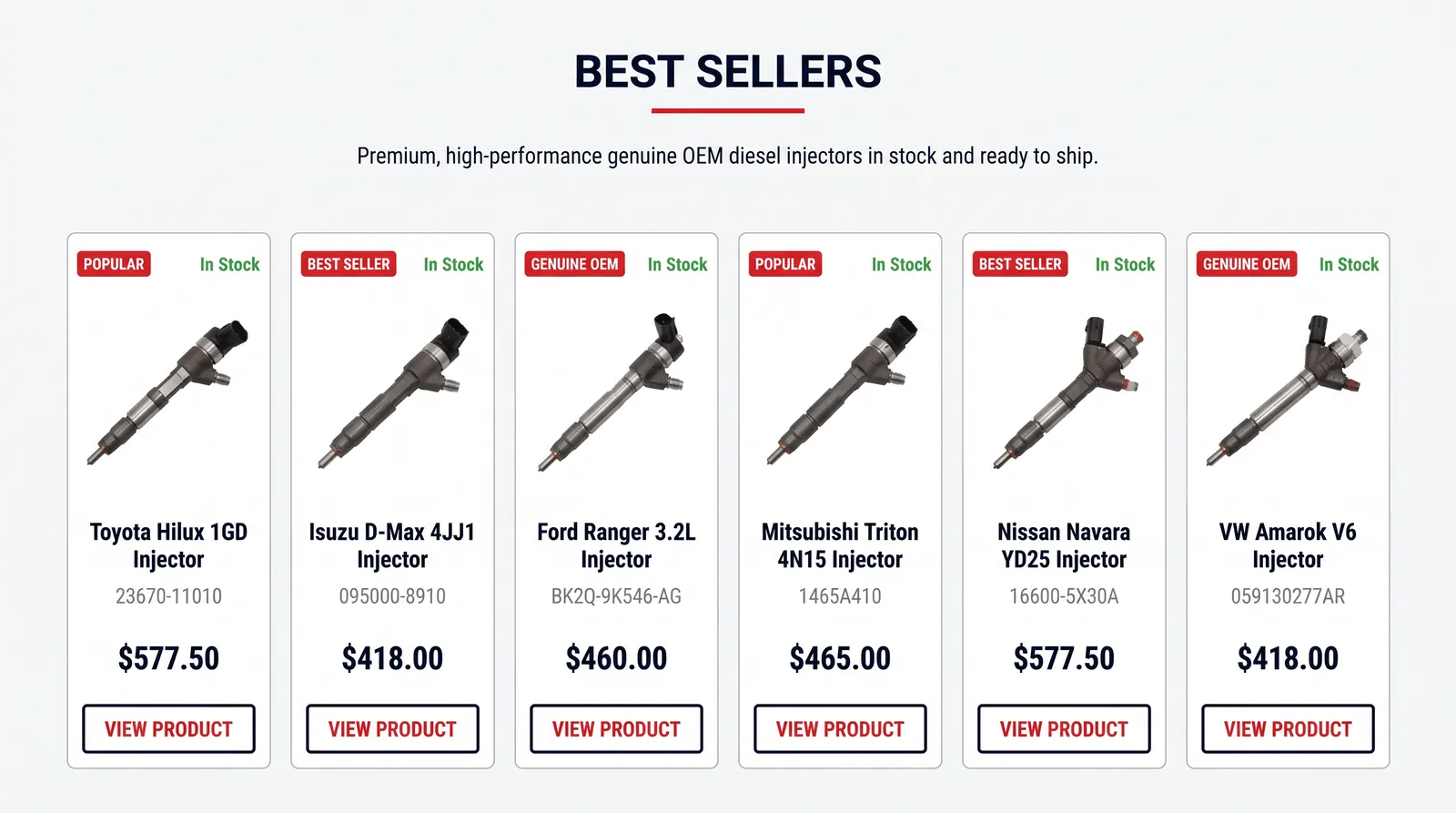
A focused store that combines product sales with specialist knowledge, testing and installation.
A customer may be unsure about the fault, the correct component or whether the part is genuine. Vehicle selection, product information, stock visibility and professional support answer that uncertainty, and connect the online purchase with an offline service.
View the projectShopify ecommerce for automotive retailers
Shopify can provide a practical foundation for an automotive online store, particularly when the catalogue, checkout and day-to-day selling process need to be managed without unnecessary technical overhead. The platform can support features such as:
- Product collections and structured catalogues
- Variant management and inventory visibility
- Search, filters and product recommendations
- Secure checkout and multiple payment options
- Customer accounts and order history
- Integration with stock, fulfilment and business systems
- Marketing automation and customer segmentation
- Sales through additional channels where appropriate
- Trade and wholesale journeys for eligible businesses
The platform is only part of the solution. A Shopify store still needs sound product data, a sensible information architecture, useful content and a buying journey designed around the business.

Installing a theme and uploading products is not the same as creating an ecommerce sales system.
 Specialist site for the automotive sector
AutoFeed: automotive stores connected to the vehicle data behind them
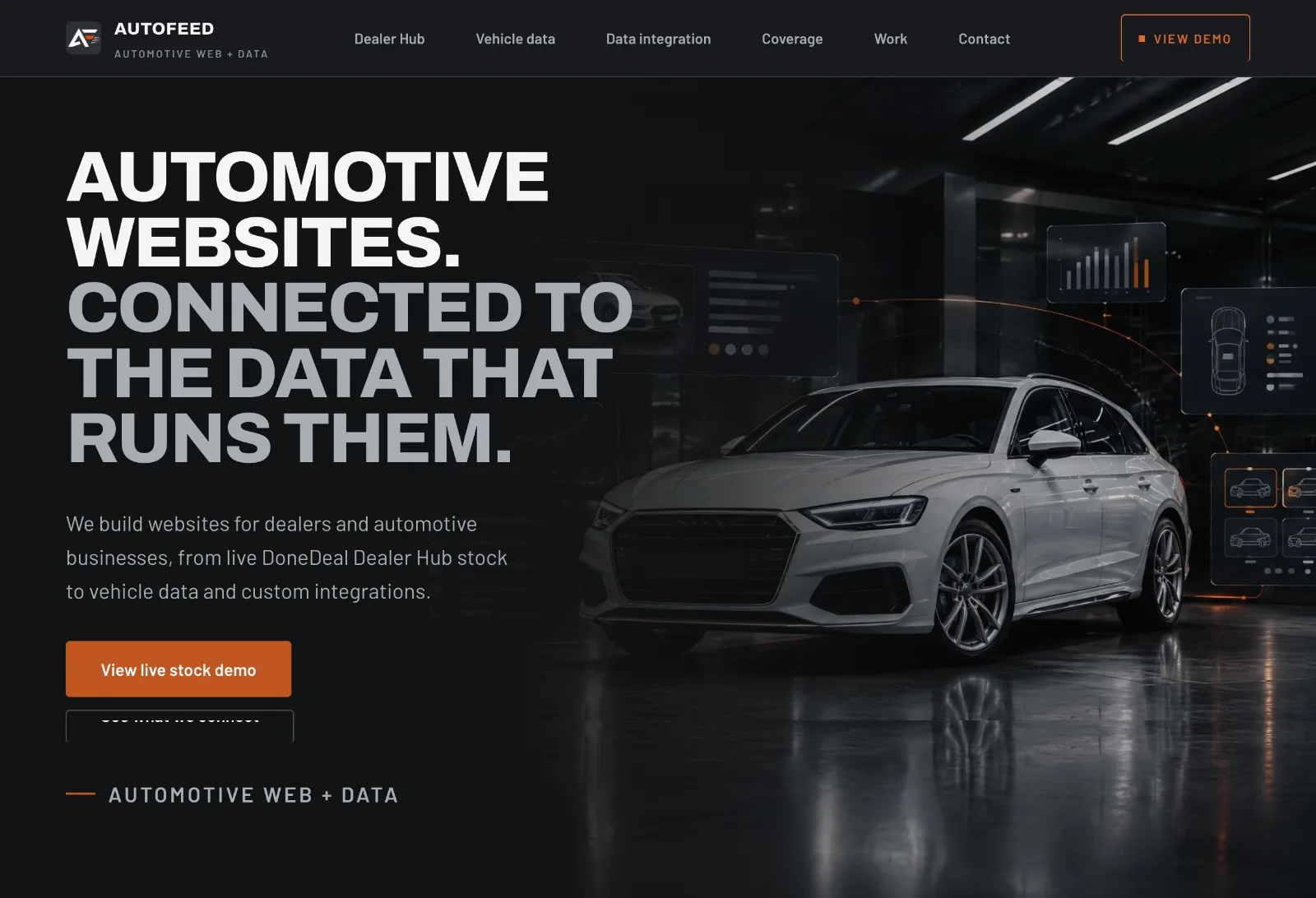
For automotive work, the store is only half the job. AutoFeed is my dedicated automotive practice, building Shopify and WordPress websites for dealerships, parts suppliers and workshops, and connecting them to the data they already use.
- DoneDeal Dealer Hub stock published to the dealer’s own website
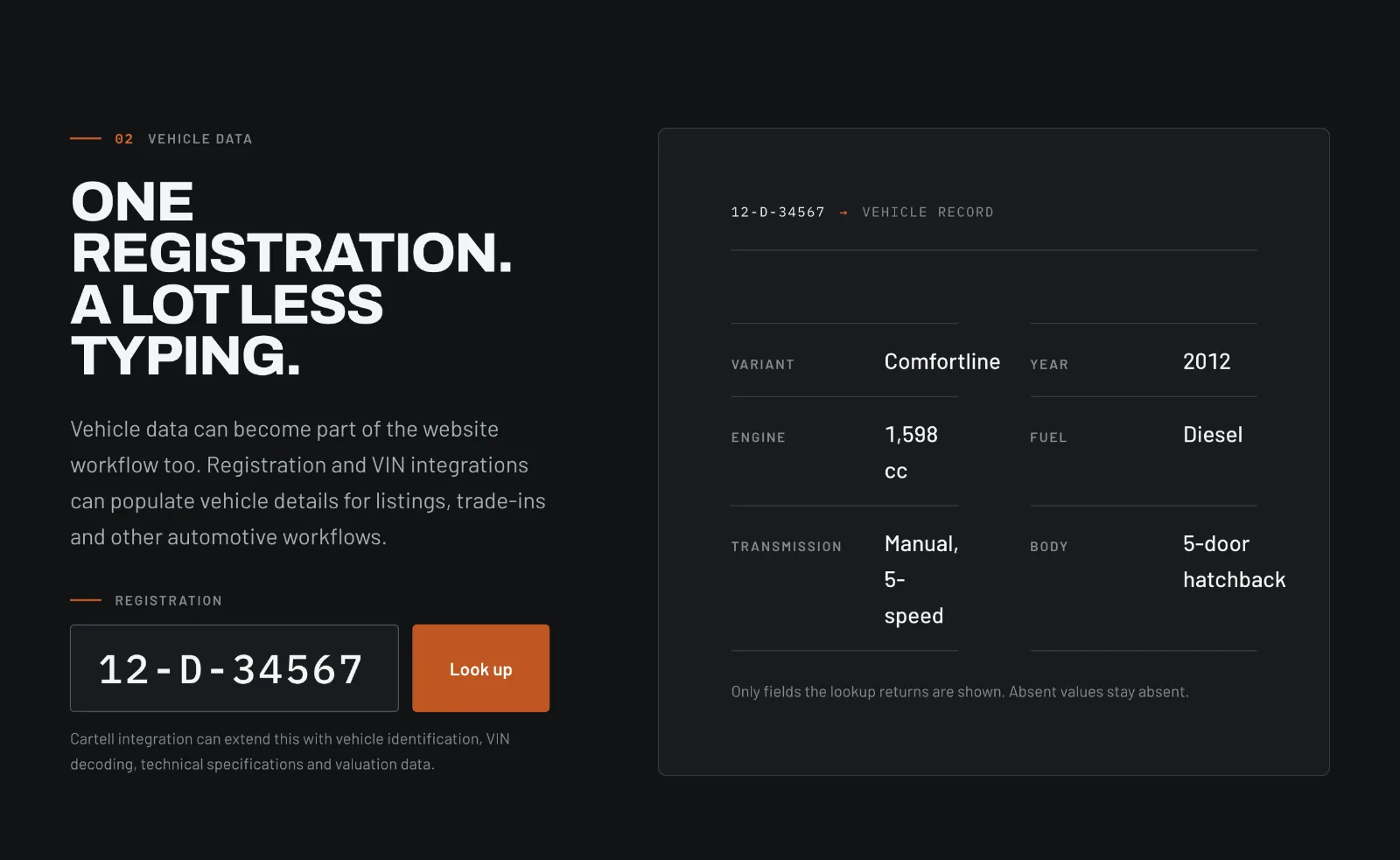
- Registration lookups that take a customer straight to compatible products
- Vehicle data from Cartelli and InfoAgent, so specifications are never retyped
Designed around the business owner’s commercial goals
An automotive website should support the business behind it, not create another disconnected system to maintain. The right approach starts with practical questions:
- Which products produce the strongest margin?
- Which categories are growing or underperforming?
- Which products are frequently bought together?
- Which customers need trade pricing or repeat ordering?
- Which products create the most pre-sales questions or returns?
- Where are customers abandoning the buying journey?
- Which parts of the catalogue deserve more search visibility?
- Can stock, pricing and fulfilment information be kept accurate?
These questions connect the website to revenue, margin, operational efficiency and customer service. Without that connection, even a polished store can become an expensive digital brochure with a checkout attached.
A clearer route from search to sale
Customers search with specific needs. They may be looking for:
- A motorcycle accessories online store
- Genuine diesel injectors for a particular vehicle
- A Shopify auto parts website
- Motorcycle clothing and luggage online
- A replacement automotive component with reliable delivery
- A specialist automotive supplier that offers technical advice
- A trade parts website with quick repeat ordering
A search-led content structure gives the website a chance to meet those needs directly. Product pages, category pages, buying guides and service pages should each answer a distinct question rather than competing with one another for the same vague keyword.
That creates a more useful website for customers and a stronger foundation for organic search.
What a revenue-focused automotive online store should include
The exact specification depends on the catalogue and customer base, but a strong starting point usually includes:
Product and catalogue structure
- Logical categories based on how customers shop
- Brand, vehicle and specification filters where relevant
- Clean product data and consistent naming
- High-quality product imagery
- Technical specifications and compatibility information
- Stock, pricing and delivery details
Conversion and trust
- Clear calls to action
- Transparent shipping, returns and warranty information
- Genuine reviews and customer feedback
- Secure payment options
- Helpful product guidance
- Visible contact and support routes
- A checkout that works properly on mobile
Revenue growth
- Related products and relevant upsells
- Bundles and complete-solution packages
- Trade or wholesale buying options where appropriate
- Customer accounts and reorder tools
- Email capture based on genuine customer value
- Search-focused category and buying-guide content
- Analytics that show where sales and enquiries are being lost
Frequently asked questions
What is an automotive ecommerce website?
An automotive ecommerce website is an online store designed to sell automotive products such as parts, accessories, clothing, tools, components or specialist equipment. It combines standard ecommerce functions with automotive requirements such as vehicle compatibility, technical information, product specifications and trust around quality and fitment.
How much does an automotive online store cost?
The cost depends on the size of the catalogue, the complexity of the product data, required integrations, design, content and customer journey. A focused specialist store will have different requirements from a large multi-category retailer or a business that needs trade pricing and ERP integration.
A sensible project should define the commercial requirements before deciding on the technical build. The cheapest store to launch is not always the least expensive store to operate.
Is Shopify suitable for an automotive parts store?
Shopify can be suitable for many automotive parts and accessory businesses, especially when the store needs a manageable catalogue, reliable checkout, stock visibility and room to grow. More complex stores may require specialist fitment tools, product data integrations, trade functionality or connections to existing business systems.
The important question is not whether Shopify can display automotive products. It is whether the chosen store structure and integrations can help customers select the right product and allow the business to manage orders accurately.
How can an automotive ecommerce website increase sales?
It can increase sales by making products easier to find, improving compatibility information, reducing uncertainty, creating relevant bundles, supporting mobile checkout, showing clear delivery information and making repeat ordering easier. Organic search content, email marketing, customer reviews and useful product guidance can also bring more qualified visitors to the store.
What information should automotive product pages include?
Product pages should include the product name, clear images, price, availability, technical specifications, vehicle compatibility or fitment information where relevant, delivery details, returns or warranty information, genuine customer feedback and a clear way to ask for help. The more technical or safety-critical the product, the more important accurate information becomes.
Can an automotive store sell to both consumers and trade customers?
Yes. An automotive ecommerce website can support consumer and trade journeys, although the requirements may differ. Trade customers may need account pricing, bulk ordering, purchase orders, credit terms, minimum quantities or quick reordering. These needs should be planned into the website rather than added as an afterthought.
Build an automotive online store that earns its place
Start with the customer’s buying problem, the owner’s commercial goals and the operational reality behind the catalogue. Then shape the website around finding the right product, creating confidence, increasing order value and giving customers a reason to return.