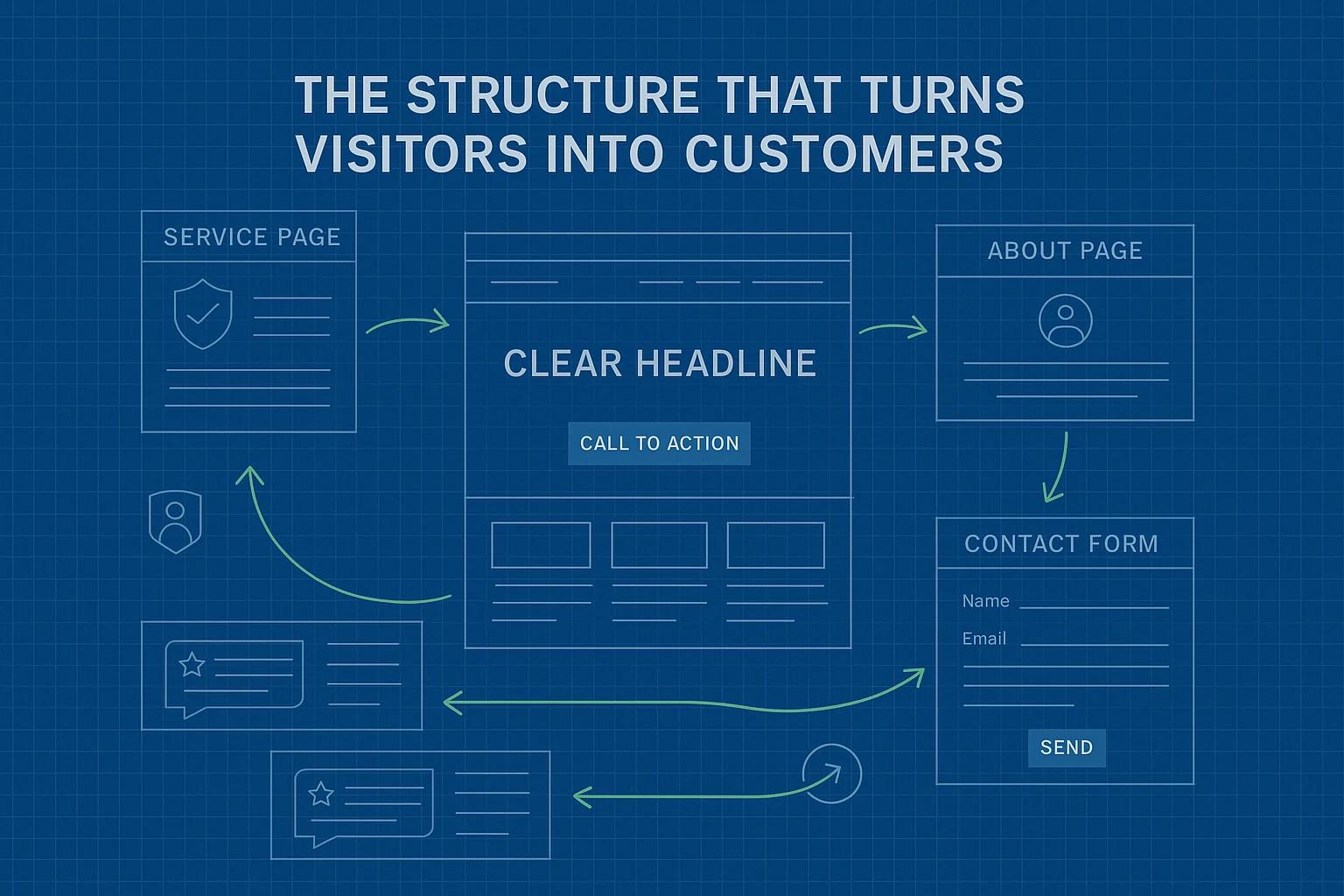

Previously, we looked at the structure of converting pages. Now, you have built a website that addresses customer concerns and guides them towards taking action. However, a website that generates enquiries is only half the battle. The real money is made in what happens next.
For decades, data has shown the same pattern: the follow-up stage is where most businesses lose potential customers. Enquiries are received, but what happens next is often inconsistent, improvised, and poorly managed.
That's leaving money on the table.
The Follow-Up System That Actually Converts
A website that generates enquiries and then systematically converts them into customers is transformational for small businesses. Here's how to build that system.
Immediate response systems - Set up automatic email responses that acknowledge enquiries immediately and set expectations for follow-up. This response should thank the person for their interest, confirm that you've received their message, and explain when they can expect to hear from you.
Include helpful information in your automatic response. This might be a link to your FAQ page, a brief guide related to their enquiry, or information about your process for new customers.
Structured follow-up process - Develop a systematic approach to following up on website enquiries. This should include initial contact within 24 hours, a discovery conversation to understand their needs, a proposal or recommendation, and regular follow-up until they're ready to proceed or clearly not interested.
Many Irish businesses lose potential customers simply because they don't follow up consistently. A structured system ensures that no enquiry falls through the cracks.
Value-added follow-up content - Use your follow-up process to provide additional value that builds trust and demonstrates expertise. This might include relevant case studies, helpful guides, or insights specific to their industry or situation.
Imagine sending each prospect a customised Business Health Check based on their initial enquiry, a document that delivers immediate value and showcases your expertise. This simple change could boost your conversion rate from enquiry to customer by as much as 60%.
Measuring What Actually Matters
A website that sells while you sleep requires ongoing attention and optimisation. But most businesses measure the wrong things.
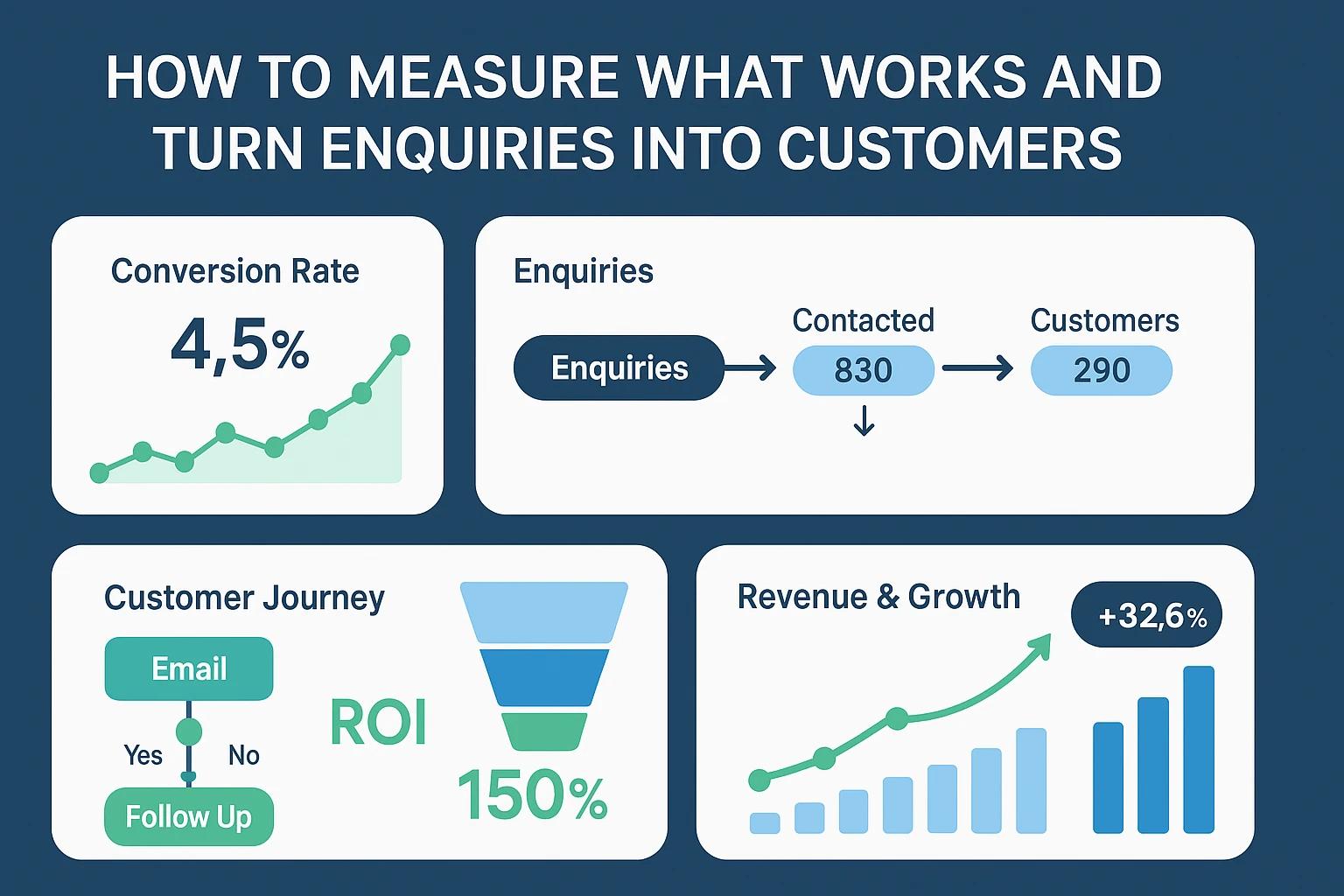
**Focus on metrics that directly relate to business outcomes **rather than vanity metrics like page views or time on site. Track conversion rates from visitor to enquiry, enquiry to customer, and overall return on investment from your website.
Monitor which pages generate the most enquiries, which traffic sources convert best, and where visitors typically leave your site. This information helps you identify opportunities for improvement.
Key metrics to track: - Visitor to enquiry conversion rate - Enquiry to customer conversion rate
- Average customer value from website leads
- Cost per acquisition from different traffic sources
- Which pages and content generate the most qualified leads
Use tools like Google Analytics to understand visitor behaviour, but don't get overwhelmed by data. Focus on the metrics that help you make decisions about improving your website's performance.
Testing and Improvement That Works
Regularly test different elements of your website to see what improves conversion rates. But don't test randomly.
Start with the biggest potential impact:
- Headlines and value propositions
- Call-to-action buttons and their placement
- Contact forms and the information you request
- Testimonials and social proof placement
- Page structure and information flow
Make one change at a time and measure the results before making additional changes. Small improvements can compound over time to create significant increases in conversion rates.
A Galway accountant increased his website conversion rate by 85% over six months by systematically testing different elements. He started with his homepage headline, then tested his service page structure, then optimised his contact forms. Each small improvement built on the previous ones.
Seasonal and Market Adjustments
Adjust your website content and messaging based on seasonal trends, market conditions, or changes in customer behaviour. What works in January might not work in July, and what worked last year might not work this year.
Stay connected to your customers' evolving needs and reflect these changes in your website content and approach.
Updating homepage messaging to match the season can dramatically increase engagement. For example, replacing a generic ‘garden services’ headline with ‘winter garden preparation’ in autumn and ‘spring garden makeovers’ in early spring could boost online enquiries by 40% or more.
The Long-Term Strategy for Sustainable Growth
Building a website that sells while you sleep isn't a one-time project. It's an ongoing process of understanding your customers better and serving them more effectively online.
Focus on building genuine relationships with your website visitors. Provide real value, address their concerns honestly, and make it easy for them to take the next step when they're ready.
Remember that the goal isn't to trick people into becoming customers. It's to help the right people recognise that you're the right solution for their needs. When you approach website conversion with this mindset, you'll build not just a website that generates leads, but a business that attracts and retains ideal customers.
The Technology That Supports Growth
The businesses that succeed long-term are those that use technology strategically to support their growth, not complicate it.
Customer relationship management - Use a simple CRM system to track enquiries, follow-up activities, and conversion rates. This doesn't need to be complex. Even a well-organised spreadsheet is better than trying to remember everything.
Email marketing automation - Set up automated email sequences that nurture prospects who aren't ready to buy immediately. Provide helpful content over time that builds trust and keeps you top of mind.
Analytics and tracking - Implement proper tracking to understand which marketing activities generate the best return on investment. This helps you focus your efforts on what actually works.
The Bottom Line
The small businesses that succeed online are those that combine excellent service delivery with effective online communication. Your website should reflect the same values and quality that make your business successful in person.
When you focus on being genuinely helpful to your website visitors, addressing their real concerns, and making it easy for them to take the next step, you create the kind of sustainable business growth that doesn't depend on constantly finding new customers.
The technology changes, but the fundamentals don't. After 30+ years of helping small businesses grow, I've learned that success comes from understanding what your customers need and making it easy for them to choose you when they're ready.
Your website can work while you sleep, but only if you build it with the same care and attention you put into serving customers in person. When you do, it becomes a powerful tool for sustainable growth that transforms your business.